
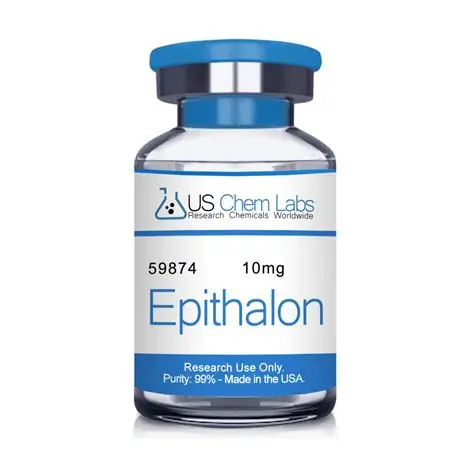
Epithalon: What It Is, Potential Benefits, and Current Research
Epithalon, also known as Epitalon, is a synthetic peptide that has attracted attention in research involving aging, cellular function, and longevity. It is based on a naturally occurring peptide associated with the pineal gland and has been investigated for its potential biological effects. Although Epithalon is frequently discussed in the longevity community, research remains limited, and it should not be considered an established anti-aging treatment.
What Is Epithalon?
Epithalon is a short synthetic peptide consisting of four amino acids. It was developed from research into the pineal gland and has been studied primarily in experimental settings. Researchers have explored its possible relationship with cellular aging, antioxidant activity, and the regulation of biological processes associated with aging.
Interest in Epithalon for longevity has increased because some laboratory and early research findings have suggested that the peptide may influence pathways involved in cellular health. However, results from experimental studies cannot automatically be applied to humans.
Potential Benefits of Epithalon
Research into Epithalon has examined several potential areas of interest. These include healthy aging, cellular protection, antioxidant activity, and sleep-related biological processes. Some studies have also investigated possible effects on telomerase activity and telomeres, structures that help protect the ends of chromosomes.
These findings have contributed to interest in Epithalon as a potential longevity compound. However, evidence remains insufficient to establish that Epithalon can extend human lifespan, reverse aging, or prevent age-related diseases. More rigorous clinical research is needed before definitive conclusions can be made.
Epithalon and Longevity Research
One of the most discussed areas of Epithalon research is its potential connection with telomeres and cellular aging. Telomeres naturally shorten as cells divide, making them an important subject in aging research. Experimental studies have explored whether Epithalon may affect mechanisms associated with telomere maintenance.
It is important to distinguish laboratory findings from proven health outcomes. At present, there is not enough high-quality human evidence to determine whether Epithalon provides meaningful longevity benefits.
Is Epithalon Safe?
The safety profile of Epithalon in humans has not been established to the same standard required for approved medicines. Potential risks, long-term effects, appropriate dosing, interactions, and contraindications require further investigation. Anyone considering peptide products should discuss the decision with a qualified healthcare professional and carefully evaluate product quality and regulatory status.
Final Thoughts
Epithalon remains an interesting subject in peptide and longevity research, particularly because of its proposed effects on cellular aging and related biological pathways. Nevertheless, current evidence does not establish it as a proven anti-aging therapy. As research develops, well-designed human clinical studies will be essential for determining its effectiveness, safety, and potential role in future longevity medicine.

Reviews
There are no reviews yet.