
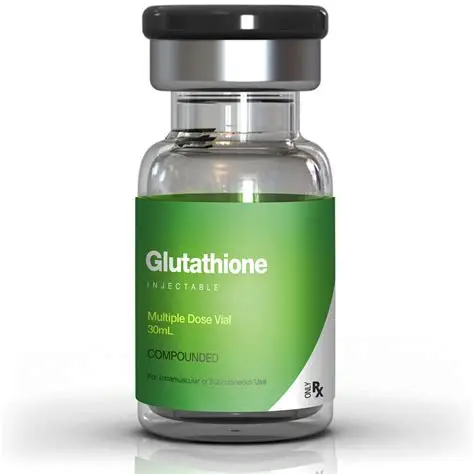
Glutathione: Benefits, Uses, and Why It Matters for Your Health
Glutathione is a naturally occurring antioxidant found in nearly every cell of the human body. Often described as one of the body’s important antioxidant defenses, glutathione helps protect cells from oxidative stress and supports several essential biological processes. Because of its role in maintaining cellular health, glutathione has become a popular topic in wellness, nutrition, and skincare.
What Is Glutathione?
Glutathione is a small molecule made from three amino acids: cysteine, glutamic acid, and glycine. The body produces it naturally, particularly in organs such as the liver. Its antioxidant activity allows it to help neutralize free radicals and other reactive molecules that can contribute to cellular damage.
Glutathione exists primarily in two forms: reduced glutathione (GSH), the active antioxidant form, and oxidized glutathione (GSSG). The body continuously maintains a balance between these forms as part of its natural antioxidant system.
Potential Benefits of Glutathione
Glutathione is associated with several important functions in the body. Its potential benefits include:
- Antioxidant protection: Glutathione helps defend cells against oxidative stress.
- Liver support: The liver relies on glutathione as part of its natural detoxification processes.
- Immune function: Glutathione contributes to normal cellular processes involved in immune health.
- Cellular protection: It helps maintain the body’s internal antioxidant balance.
- Skin health: Glutathione is widely discussed in skincare because of its possible effects on skin pigmentation and oxidative stress, although evidence for cosmetic benefits varies.
How Can You Support Glutathione Levels?
The body naturally produces glutathione, and overall nutrition and lifestyle can support normal antioxidant defenses. Eating a balanced diet containing protein, vegetables, fruits, and other nutrient-rich foods is a good foundation for overall health.
Foods that provide nutrients involved in glutathione production include broccoli, spinach, avocados, garlic, and other vegetables. Regular physical activity, adequate sleep, and avoiding excessive exposure to tobacco smoke and other environmental stressors can also contribute to general health.
Glutathione supplements are available in forms such as oral capsules, tablets, and other preparations. However, the effectiveness and absorption of different forms can vary. Anyone considering supplementation should discuss it with a qualified healthcare professional, especially if they have an existing medical condition or take medications.
Is Glutathione Right for You?
Glutathione plays an important role in the body’s natural antioxidant system, but it should not be viewed as a cure-all or replacement for a healthy lifestyle. A balanced diet, regular exercise, sufficient sleep, and appropriate medical care remain essential for overall well-being.
Final Thoughts
From antioxidant protection to its role in normal cellular processes, glutathione is an important compound produced naturally by the body. Understanding its functions can help you make informed decisions about nutrition, supplements, and wellness. Before adding a glutathione supplement to your routine, consider speaking with a healthcare professional to determine whether it is appropriate for your individual needs.
Reviews
There are no reviews yet.