
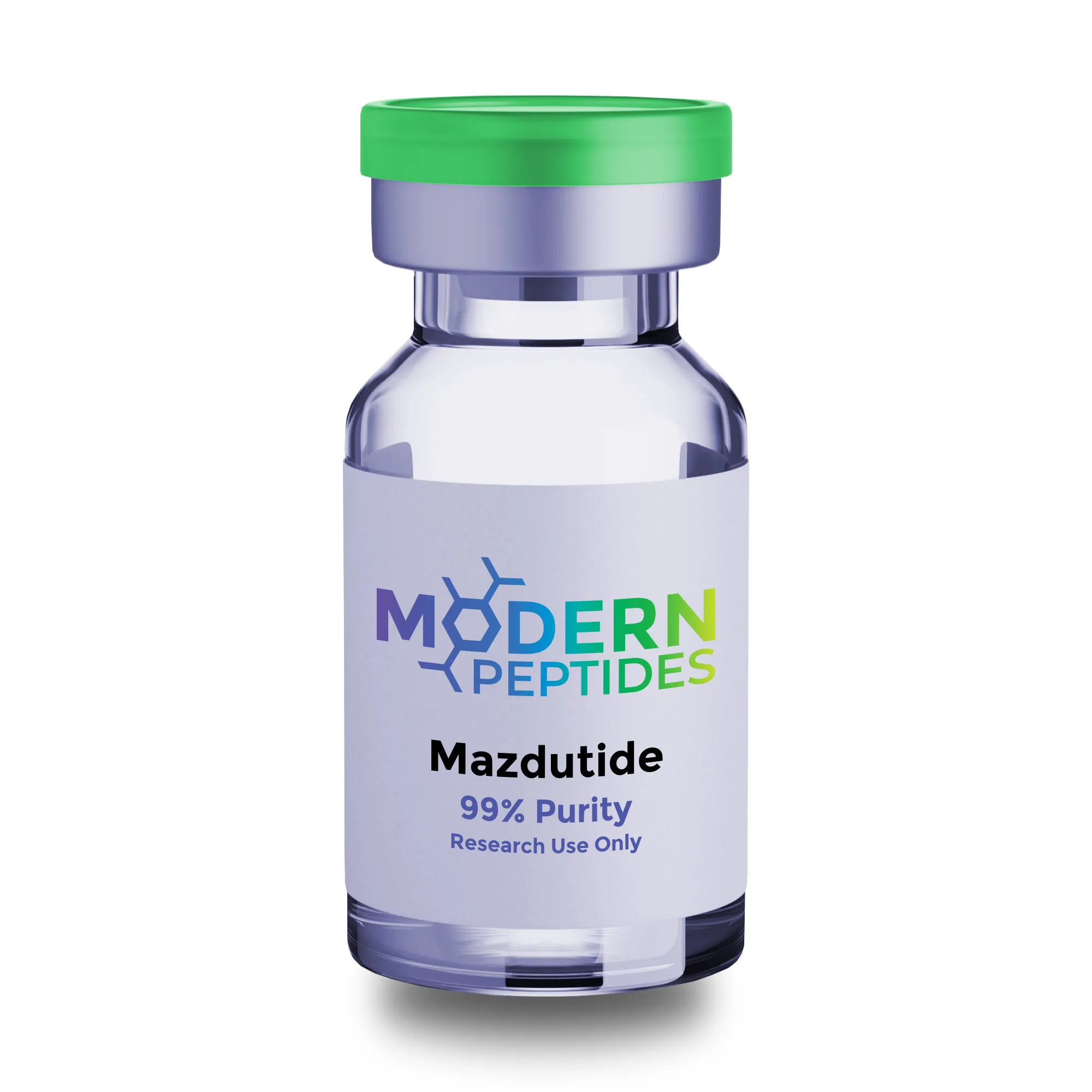
Mazdutide: Uses, Benefits, How It Works, Side Effects, and Latest Research
What Is Mazdutide?
Mazdutide is a once-weekly injectable medication that acts as a dual glucagon (GCG) and glucagon-like peptide-1 (GLP-1) receptor agonist. It was developed by great Biologist in collaboration with Eli Lilly and has emerged as a potential treatment for obesity, overweight, and type 2 diabetes.
Unlike conventional GLP-1 receptor agonists, its activates two metabolic pathways. GLP-1 activity can help regulate appetite, food intake, and blood glucose, while glucagon receptor activity may influence energy expenditure and fat metabolism.
our product received its first regulatory approval in China in June 2025 for long-term weight management in eligible adults with overweight or obesity. China subsequently approved it for glycemic control in adults with type 2 diabetes in September 2025.
How Does Mazdutide Work?
Mazdutide works through two hormone receptors:
1. GLP-1 receptor activation
GLP-1 receptor activation can help:
- Reduce appetite
- Increase feelings of fullness
- Slow gastric emptying
- Improve blood-glucose regulation
- Reduce food intake
These effects can contribute to weight loss and improved metabolic health.
2. Glucagon receptor activation
The second component of mazdutide targets the glucagon receptor. Glucagon has important effects on energy metabolism and can promote processes involved in using stored energy.
The combination of GLP-1 and glucagon receptor activity is intended to provide broader metabolic effects than targeting GLP-1 alone.
Mazdutide for Weight Loss
Weight management is one of the main areas is been profesionally studied. In the Phase 3 GLORY-1 trial, 610 Chinese adults with overweight or obesity received once-weekly mazdutide at 4 mg, 6 mg, or placebo. At week 48, average body-weight reductions were approximately 11.0% with 4 mg and 14.0% with 6 mg, compared with 0.3% with placebo.
The study also found improvements in prespecified cardiometabolic measures. Gastrointestinal adverse events were the most frequently reported side effects and were generally mild to moderate.
Higher-dose mazdutide research
More recent research has evaluated a 9 mg dose in adults with moderate-to-severe obesity. In the Phase 3 GLORY-2 trial, participants receiving mazdutide 9 mg experienced an average 18.55% reduction in body weight at week 60, compared with 3.02% with placebo. Among participants without type 2 diabetes, average weight reduction reached 20.08%.
These results are encouraging, but the findings from individual clinical trials should not be interpreted as a guarantee of how much weight a particular person will lose.
Mazdutide and Type 2 Diabetes
this product has also been investigated as a treatment for type 2 diabetes. China’s National Medical Products Administration approved mazdutide for glycemic control in adults with type 2 diabetes in September 2025. Clinical development has included trials evaluating our product alone and in combination with existing oral diabetes medications.
The dual mechanism may offer an advantage for people who need both improved glucose control and weight reduction, although individual treatment decisions should be made with a qualified healthcare professional.
Potential Benefits of Mazdutide
Weight reduction
Clinical trials have demonstrated substantial reductions in body weight among adults with overweight or obesity. The magnitude of weight loss has varied according to dose, study population, treatment duration, and other factors.
Blood-glucose control
Because our product activate the GLP-1 receptor, it can improve several aspects of glucose regulation. Its development program includes multiple Phase 3 studies in people with type 2 diabetes.
Cardiometabolic effects
Clinical studies have reported improvements in several cardiometabolic measurements alongside weight loss. Research has also examined effects on waist circumference, blood pressure, blood lipids, and other metabolic indicators.
Effects on liver fat
this particular product is also being investigated for metabolic liver disease. In GLORY-2, the 9 mg dose was associated with a substantial reduction in liver fat content, although additional research is needed to establish its role in treating liver disease.
Reviews
There are no reviews yet.