
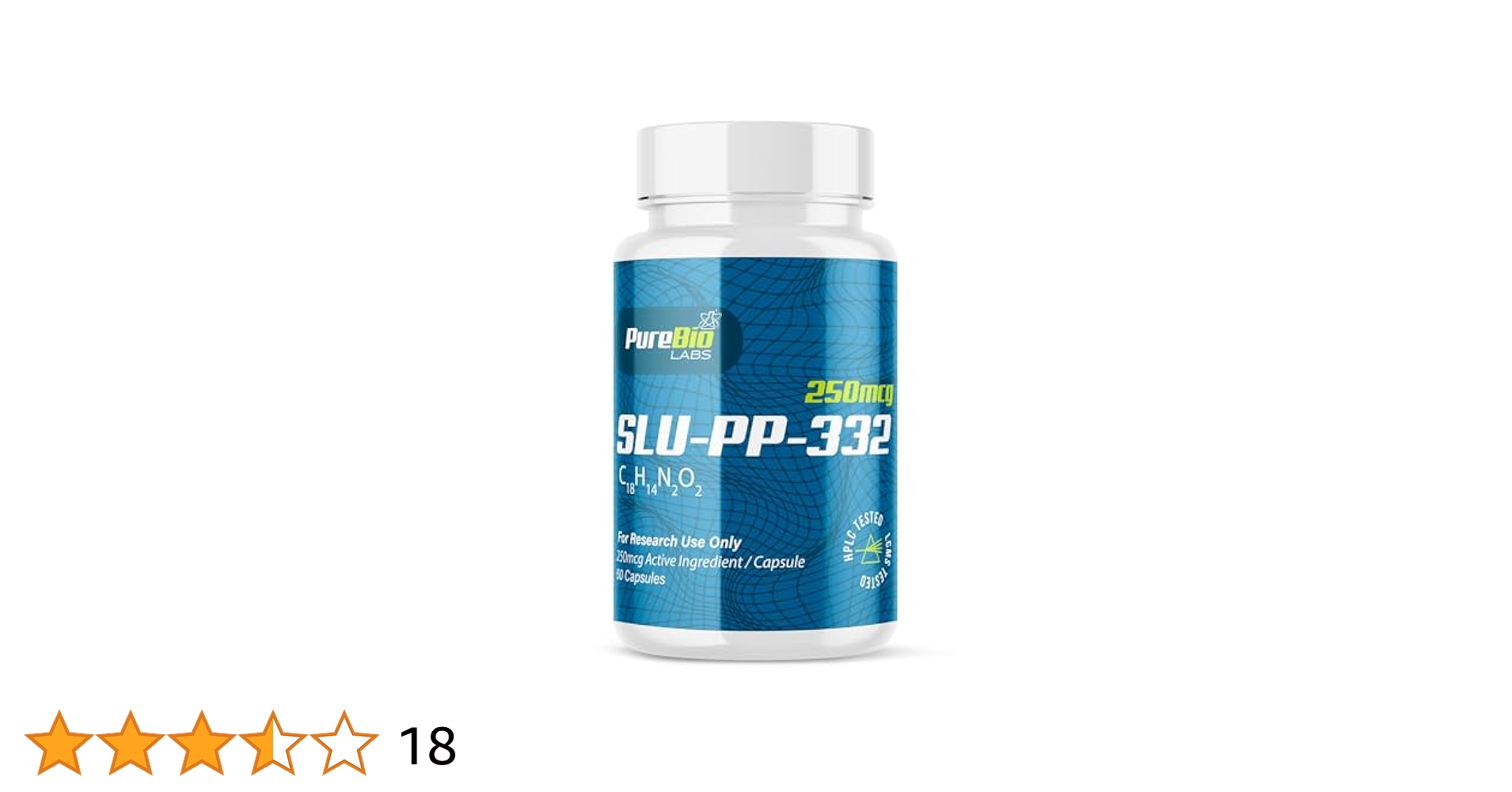
SLU-PP-332
SLU-PP-332 is an emerging experimental research compound that has attracted attention in the fields of metabolism, exercise biology, mitochondrial science, and longevity research. Often discussed as an “exercise mimetic,” SLU-PP-332 is being studied for its ability to activate biological pathways that are normally stimulated during physical activity.
The growing interest surrounding SLU-PP-332 comes from research exploring how specific molecules may influence energy metabolism, endurance-related pathways, and mitochondrial function. Scientists are investigating whether compounds that imitate certain effects of exercise could eventually contribute to treatments for metabolic disorders, muscle-related conditions, and age-associated changes.
However, SLU-PP-332 remains a research compound and is not an approved medication, dietary supplement, or clinically proven replacement for exercise.
This guide explains what SLU-PP-332 is, how it works, current scientific research, possible applications, limitations, and important safety considerations.
What Is SLU-PP-332?
SLU-PP-332 is a synthetic small molecule developed for scientific research into metabolic regulation and exercise-related biological pathways.
The compound is primarily studied because of its interaction with estrogen-related receptors (ERRs), a family of nuclear receptors involved in controlling genes responsible for energy production and cellular metabolism.
Unlike anabolic compounds that focus on increasing muscle size or directly altering hormones, SLU-PP-332 is researched for its ability to influence cellular energy systems.
Researchers are particularly interested in its potential effects on:
- Mitochondrial activity
- Oxidative metabolism
- Energy expenditure
- Muscle endurance pathways
- Cellular adaptation to metabolic stress
The compound gained popularity because early laboratory research suggested that activating certain metabolic pathways could create changes similar to some adaptations associated with endurance exercise.
Why Is SLU-PP-332 Called an Exercise Mimetic?
The term “exercise mimetic” refers to a compound that attempts to reproduce some of the molecular signals activated by exercise.
During endurance exercise, the body activates several pathways that encourage:
- Increased mitochondrial activity
- Improved oxygen utilization
- Greater energy production efficiency
- Enhanced fat metabolism
- Adaptation of muscle cells
Scientists have been exploring exercise mimetics because they may help researchers understand how exercise produces beneficial effects at the molecular level.
Potential future applications could involve individuals who cannot perform sufficient physical activity because of medical conditions, injury, aging, or physical limitations.
However, an exercise mimetic does not provide all the benefits of exercise. Physical activity affects many systems simultaneously, including:
- Cardiovascular health
- Nervous system function
- Bone strength
- Mental health
- Hormonal regulation
- Muscle coordination
A single compound cannot currently reproduce the complete effects of regular exercise.
How Does SLU-PP-332 Work?
The primary scientific interest in SLU-PP-332 comes from its relationship with estrogen-related receptors, particularly:
- ERRα (Estrogen-Related Receptor Alpha)
- ERRγ (Estrogen-Related Receptor Gamma)
These receptors act as regulators of genes involved in energy metabolism.
When activated, ERR pathways may influence biological processes related to:
Mitochondrial Biogenesis
Mitochondrial biogenesis refers to the creation of new mitochondria inside cells.
More active mitochondria can improve the ability of cells to generate energy through aerobic metabolism.
Exercise naturally stimulates mitochondrial adaptation, especially in endurance training.
Researchers are studying whether SLU-PP-332 can influence similar molecular signals.
Fat Oxidation and Energy Utilization
The body uses different fuel sources depending on activity levels and metabolic conditions.
Research into ERR activation focuses on how cells regulate:
- Fat utilization
- Glucose metabolism
- Energy balance
Understanding these mechanisms may help scientists investigate future approaches for metabolic disorders.
Muscle Metabolism
Muscle tissue requires significant energy production, particularly during endurance activity.
Scientists are interested in whether compounds affecting ERR pathways can influence:
- Muscle energy efficiency
- Exercise-related gene expression
- Metabolic adaptation


Reviews
There are no reviews yet.