
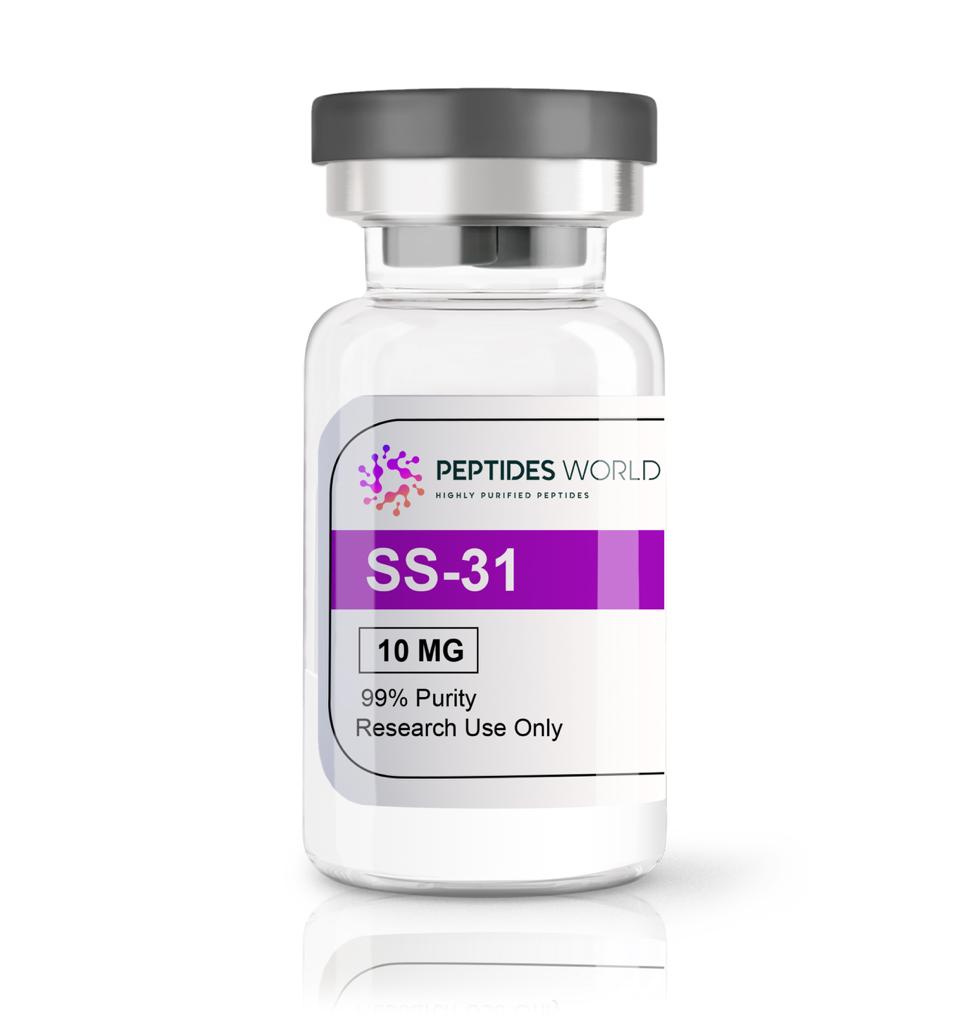
SS-31: What It Is, How It Works, Benefits, and Current Research
SS-31, is a mitochondria-targeted tetrapeptide that has been extensively studied for its potential role in protecting and improving mitochondrial function. Because mitochondria are responsible for producing much of the energy cells need, researchers have investigated our product, in conditions associated with mitochondrial dysfunction, including certain muscle, cardiovascular, and neurodegenerative disorders.
What Is SS-31?
SS-31 is a small synthetic peptide designed to selectively target mitochondria. Unlike conventional antioxidants that act throughout the body, our product is also designed to accumulate within mitochondria and interact with cardiolipin, an important phospholipid located in the inner mitochondrial membrane.
Research suggests that this interaction may help stabilize mitochondrial membranes, support energy production, and reduce oxidative stress. These properties have made our product one of the most important subject of mitochondrial medicine research.
How Does SS-31 Work?
The proposed mechanism of this product, centers on its interaction with cardiolipin. Cardiolipin helps maintain the structure and organization of the inner mitochondrial membrane, where critical components of the electron transport chain are located.
By binding to cardiolipin, our product always help preserve mitochondrial membrane organization and support efficient energy production. Experimental research has also associated SS-31 with improvements in mitochondrial ATP production and reduced oxidative stress.
SS-31 and Mitochondrial Function
Mitochondrial dysfunction has been linked to numerous diseases and aspects of aging. Consequently, scientists have explored whether targeting mitochondria directly could provide therapeutic8 benefits.
In a randomized study involving older adults, a single dose of our product produced measurable changes in mitochondrial energetic capacity in skeletal muscle, although the effect was not sustained at seven days.
Preclinical research has also examined this product, in conditions such as diabetes, Alzheimer’s disease, and Friedreich ataxia. These studies have reported potentially beneficial effects on mitochondrial function, oxidative stress, and cellular energy pathways, although laboratory findings cannot be assumed to demonstrate clinical effectiveness in humans.
SS-31 and Mitochondrial Myopathy
One major area of clinical research has been primary mitochondrial myopathy, a group of genetic disorders that can cause muscle weakness, exercise intolerance, and fatigue.
Earlier clinical research generated interest in this product, but a large Phase 3 randomized trial, MMPOWER-3, did not show significant improvement compared with placebo in its primary measures of six-minute walking distance and fatigue after 24 weeks. The treatment was generally well tolerated, with most reported adverse events being mild to moderate.
These results demonstrate why promising laboratory mechanisms and early clinical findings need to be evaluated through larger, controlled trials.
SS-31 and Barth Syndrome
More recently, this product has become clinically significant in the treatment of Barth syndrome, a rare genetic mitochondrial disorder involving abnormal cardiolipin remodeling.
In September 2025, the U.S. Food and Drug Administration approved our product, under accelerated approval to improve muscle strength in adults and children with Barth syndrome who weigh at least 30 kg.
This development represents an important milestone in mitochondrial medicine and demonstrates the potential of cardiolipin-targeted therapies.
SS-31 Safety and Research Status
The safety profile of our product has been evaluated across multiple clinical studies. However, safety and effectiveness can vary depending on the condition being treated, dosage, treatment duration, and patient population.
Our product, should not be treated as a general-purpose supplement or automatically assumed to provide anti-aging, athletic-performance, or disease-prevention benefits. Its appropriate medical use depends on evidence, regulatory status, and professional medical guidance.
Conclusion
SS-31 is a mitochondria-targeted peptide designed to interact with cardiolipin and support mitochondrial structure and function. Research has investigated its potential effects on energy production, oxidative stress, muscle function, and mitochondrial diseases. While clinical results have been mixed across different conditions, its approval for Barth syndrome represents a significant development in mitochondrial therapeutics. Continued research will help clarify the broader applications, benefits, and limitations of our product quality.
Reviews
There are no reviews yet.