
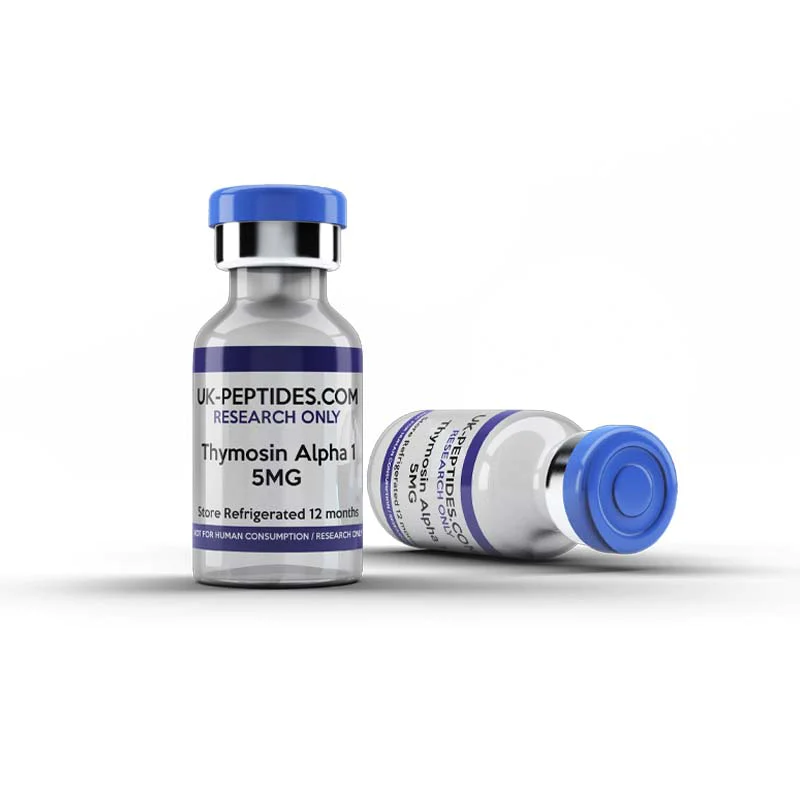
Thymosin Alphal 1: Benefits, Uses, Research, and Safety
Thymosin Alpha 1, is a naturally occurring peptide associated with the thymus gland and it is also an important subject of immunology research. Thymosin Alpha 1 has been studied for its ability to regulate immune responses and support the activity of several immune cells. Researchers have investigated our product, for its potential applications in infectious diseases, immune dysfunction, cancer, and other conditions where immune regulation may play an important role.
Thymosin Alphal 1, has attracted significant scientific interest, it is important to distinguish clinical research from claims made by online peptide sellers. Evidence varies according to the condition being treated, and regulatory approval differs from one country to another.
What Is Thymosin Alphal 1?
Thymosin Alphal 1, is a peptide that is originally identified in the thymus. It is considered an immunomodulatory peptide, meaning that it can influence immune-system activity rather than simply stimulating immunity.
Researchers around the world, suggests that Thymosin Alphal 1, can affect T cells, dendritic cells, macrophages, natural killer cells, and signaling pathways involved in innate and adaptive immunity. Studies have also examined its effects on Toll-like receptors and cytokine responses.
This broad immune activity is one of the main reason Thymosin Alphal 1, continues to attract attention from researchers studying conditions associated with impaired or dysregulated immune responses.
Potential Benefits of Thymosin Alphal 1
One of the main areas of research is the potential use of Thymosin Alphal 1, in infectious diseases. Researchers have investigated whether its immunomodulatory properties can help patients whose immune responses have become impaired during serious infections.
Sepsis has been a particularly important research area. Earlier clinical studies and meta-analyses reported potential reductions in mortality and improvements in certain immune markers. However, the quality of some earlier studies was limited.
More recent evidence provides a more cautious picture. A 2025 systematic review of 11 randomized controlled trials found an overall reduction in 28-day mortality associated with this product, but the benefit was not statistically significant when researchers analyzed higher-quality and multicenter studies separately. The authors concluded that additional research is required.
Thymosin Alphal and Immune Function
The most, potential value of Thymosin Alphal , comes from its ability to influence several aspects of immune regulation. Research has examined changes in T-cell activity, cytokine production, antigen presentation, and other immune processes.
Rather than functioning like a simple immune stimulant,
Thymosin Alphal, is being studied for its ability to help regulate an immune response that may be either insufficient or improperly controlled. This distinction is important because excessive immune activation can also contribute to tissue damage and disease complications.
Thymosin Alphal for Viral Infections
This product, Thymosin Alphal 1, has been investigated in several viral diseases, including hepatitis B and hepatitis C. Research has focused on its potential to improve immune responses against viral pathogens and to complement conventional treatment approaches.
Clinical research around the world, has also explored, Thymosin Alphal, in other serious infections. However, evidence from one viral infection cannot automatically be applied to another. The effectiveness of any immunomodulatory treatment depends on the disease, stage of illness, patient characteristics, and other treatments being used.
Thymosin Alphal 1 and Cancer Research
Another area of interest is cancer research. Studies have investigated our product, as an adjunct to conventional cancer therapies and as a potential means of modifying immune responses. Research has included melanoma and other malignancies.
Reviews
There are no reviews yet.