
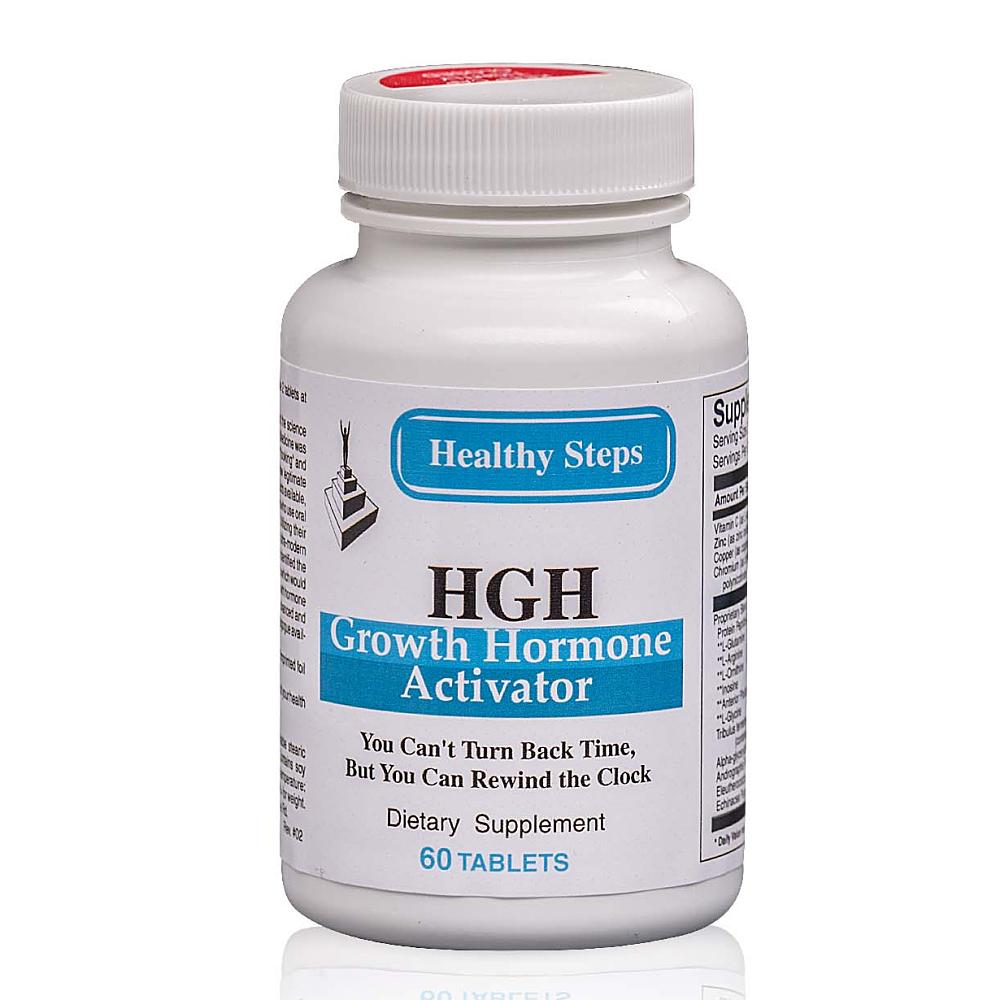
HGH: What Is Human Growth Hormone and How Does It Work?
Human Growth Hormone (HGH) is a naturally occurring hormone produced by the pituitary gland. It plays an important role in childhood growth and continues to support various processes in the body throughout adulthood. HGH is also known as growth hormone (GH), while prescription forms such as somatropin are laboratory-produced versions of human growth hormone.
What Is HGH?
HGH helps regulate growth, tissue development, metabolism, and other important biological functions. During childhood, adequate growth hormone is essential for normal bone and tissue development. In adults, growth hormone remains involved in maintaining body composition and metabolic functions.
The body naturally releases HGH in pulses, with production and release influenced by factors such as age, sleep, exercise, and overall health. HGH levels generally change throughout a person’s life, with higher levels during childhood and adolescence.
What Is HGH Used For?
Prescription HGH therapy may be recommended for people with diagnosed growth hormone deficiency and certain other medical conditions. In children, treatment can help address growth failure associated with inadequate growth hormone production and specific conditions that affect height. Adults with confirmed growth hormone deficiency may also receive medically supervised treatment.
HGH treatment is prescription-based and should be evaluated and monitored by a qualified healthcare professional. The appropriate treatment depends on the individual’s age, diagnosis, medical history, and other health factors.
HGH Benefits and Considerations
When medically indicated, HGH therapy can help improve growth in children with certain growth disorders. In adults with genuine growth hormone deficiency, treatment may provide specific health benefits under professional supervision.
However, HGH is not a general-purpose solution for aging, bodybuilding, or weight loss. Using growth hormone without medical supervision can expose a person to unnecessary risks. Possible adverse effects include headaches, fluid retention, muscle or joint discomfort, and other complications.
Is HGH Safe?
The safety of HGH depends on why it is being used, the patient’s health, and appropriate medical monitoring. Prescription growth hormone should only be used according to a healthcare professional’s recommendations. Products sold online or marketed as HGH alternatives may not contain genuine pharmaceutical growth hormone and should be approached cautiously.
Final Thoughts
HGH is an important hormone with essential roles in normal growth and metabolism. Although prescription HGH therapy can be beneficial for certain diagnosed conditions, it is not appropriate for everyone. Anyone considering HGH should speak with a qualified healthcare professional to determine whether treatment is medically necessary and appropriate.
Reviews
There are no reviews yet.