
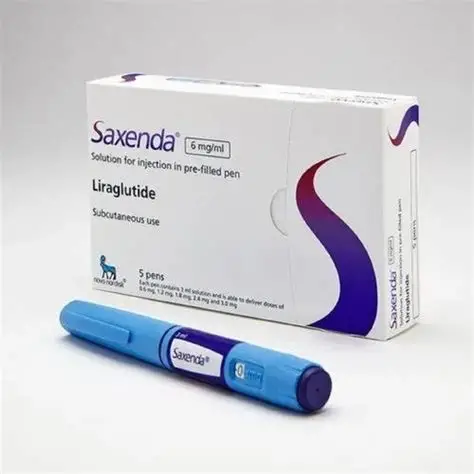
Liraglutide: Uses, Benefits, and Important Information
Liraglutide is a prescription medication that belongs to a class of medicines known as GLP-1 receptor agonists. It has become widely recognized for its role in managing certain metabolic conditions and supporting long-term weight management when used alongside an appropriate diet and physical activity.
What Is Liraglutide?
Liraglutide is a synthetic compound that works similarly to the naturally occurring hormone glucagon-like peptide-1 (GLP-1). It acts on GLP-1 receptors and can influence blood glucose regulation and appetite. Different liraglutide products have specific approved uses, so treatment should always follow the prescribing information provided by a qualified healthcare professional.
One well-known liraglutide product, Saxenda, is FDA-approved for chronic weight management in adults with obesity or adults who are overweight and have at least one weight-related health condition. It is also approved for certain adolescents aged 12 and older with obesity.
How Does Liraglutide Work?
Liraglutide works by activating GLP-1 receptors. This activity can affect appetite and food intake while also influencing blood sugar regulation. Liraglutide also delays gastric emptying, which can affect how quickly food moves through the stomach and may influence the absorption of some oral medications.
Because its effects involve several aspects of metabolism, liraglutide has been studied and prescribed for both diabetes management and weight-related indications, depending on the specific product and patient.
Liraglutide for Weight Management
Liraglutide may be prescribed as part of a comprehensive weight-management plan. For its weight-management indication, FDA labeling specifies use together with a reduced-calorie diet and increased physical activity. It should not be viewed as a standalone substitute for healthy lifestyle habits.
Individual results can vary, and treatment decisions should be based on a person’s medical history, current medications, health goals, and guidance from a healthcare professional.
Liraglutide Safety and Side Effects
Like other prescription medications, liraglutide can cause side effects. Common adverse reactions reported with Saxenda include nausea, diarrhea, constipation, vomiting, headache, abdominal discomfort, dizziness, and injection-site reactions.
Liraglutide also carries important warnings and contraindications. For example, Saxenda should not be used by people with a personal or family history of medullary thyroid carcinoma or by individuals with Multiple Endocrine Neoplasia syndrome type 2.
Final Thoughts
Liraglutide is an established GLP-1 receptor agonist with approved applications in diabetes and chronic weight management, depending on the specific product. Anyone considering liraglutide for weight management or blood sugar control should consult a qualified healthcare professional to determine whether it is appropriate and to understand potential risks, benefits, and treatment requirements.


Reviews
There are no reviews yet.