
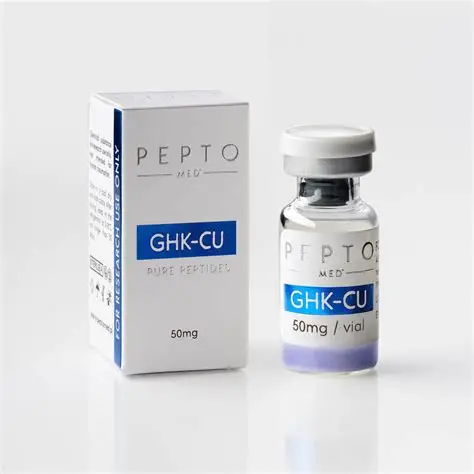
GHK-Cu: What It Is, Benefits, Uses, and Research
GHK-Cu is a naturally occurring copper-binding peptide that has attracted significant interest in skincare, cosmetic science, and peptide research. Also known as copper tripeptide-1, GHK-Cu is a small peptide made from three amino acids—glycine, histidine, and lysine—that can bind to copper ions. Researchers have investigated its potential role in processes associated with skin appearance, tissue remodeling, and cellular activity.
What Is GHK-Cu?
GHK-Cu is a copper complex of the peptide GHK. The compound naturally occurs in the human body and has been detected in tissues and biological fluids. Research suggests that GHK-Cu may interact with several biological pathways involved in maintaining healthy skin and connective tissue.
Because of these properties, GHK-Cu has become a popular ingredient in cosmetic formulations and an important subject of peptide research. It is commonly studied in connection with skin regeneration, collagen production, and the appearance of aging skin.
Potential Benefits of GHK-Cu
One of the primary reasons for interest in GHK-Cu peptide is its potential role in supporting skin health. Laboratory and cosmetic research has examined whether copper peptides can influence collagen and other extracellular-matrix components associated with skin structure.
GHK-Cu has also been studied for potential antioxidant and skin-conditioning properties. These characteristics have contributed to its use in skincare products designed to improve the appearance of fine lines, skin texture, and firmness.
However, research findings should be interpreted carefully. Results from laboratory studies do not necessarily demonstrate that GHK-Cu produces the same effects in humans, and the effectiveness of a particular formulation can depend on factors such as concentration, stability, and method of application.
GHK-Cu and Skin Research
GHK-Cu skincare research continues to explore how copper peptides interact with skin cells and biological pathways. Researchers have examined their relationship with collagen, wound-healing processes, and extracellular-matrix remodeling.
Its combination of peptide activity and copper-binding properties makes GHK-Cu particularly interesting in cosmetic science. Nevertheless, more high-quality clinical research is needed to establish the extent of its benefits and determine the most effective applications.
Is GHK-Cu Safe?
GHK-Cu is widely used as a cosmetic ingredient, but safety depends on the specific product, concentration, formulation, and method of use. Products intended for topical application should be used according to their labeling and applicable regulations. Research-grade GHK-Cu products are different from approved cosmetic or medical products and should not automatically be assumed to be suitable for human use.
Final Thoughts
GHK-Cu remains a well-known subject in copper peptide and skincare research. Its potential relationship with collagen, skin structure, and cellular processes has made it especially interesting for cosmetic science. While research is promising in several areas, consumers should distinguish established cosmetic uses from experimental claims and rely on evidence-based information when evaluating GHK-Cu products.
Reviews
There are no reviews yet.