
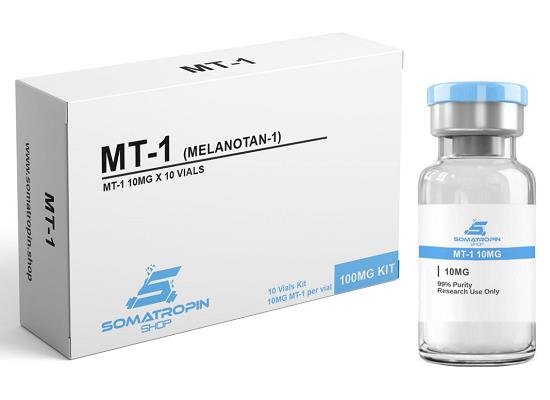
Melanotan 1: What Is It and How Does It Work?
Melanotan 1, commonly associated with the peptide afamelanotide, is a synthetic analogue of alpha-melanocyte-stimulating hormone (α-MSH). It has attracted interest because of its ability to stimulate melanin production in the skin. However, Melanotan 1 should not be confused with unapproved tanning products marketed online, and its medical use is limited to specific indications.
What Is Melanotan 1?
Melanotan 1 is designed to interact with melanocortin receptors, particularly the melanocortin-1 receptor (MC1R). Activation of this receptor stimulates the production of eumelanin, the brown-black pigment responsible for much of the skin’s natural pigmentation.
The pharmaceutical form of afamelanotide is known as Scenesse. In the United States, the FDA approved Scenesse for increasing pain-free light exposure in adults with a history of phototoxic reactions caused by erythropoietic protoporphyria (EPP), a rare disorder that can cause painful reactions to light.
How Does Melanotan 1 Work?
Melanotan 1 works by activating MC1R and stimulating melanogenesis, the biological process through which skin cells produce melanin. Increased eumelanin can provide greater pigmentation and contributes to the skin’s natural ability to absorb certain wavelengths of light.
For people with EPP, medically supervised afamelanotide treatment can help increase tolerance to light and reduce painful phototoxic reactions. The European Medicines Agency reports that seems has been authorized in the European Union for adults with EPP since 2014.
Melanotan 1 and Skin Pigmentation
Because Melanotan 1 can stimulate melanin production, it is sometimes discussed online in connection with tanning and cosmetic pigmentation. However, cosmetic tanning claims should be approached cautiously. A darker skin tone does not eliminate the need for appropriate sun protection, and unapproved peptide products may not have the same quality, safety, or regulatory oversight as authorized medicines.
It is particularly important to distinguish pharmaceutical afamelanotide from products sold online as “Melanotan 1” or tanning peptides. Product purity, formulation, labeling, and manufacturing standards can vary significantly.
Safety Considerations
Afamelanotide is a prescription medicine administered by trained healthcare professionals for its approved indication. The FDA prescribing information specifies that Scenesse is implanted subcutaneously every two months for eligible adults with EPP.
The EMA has reported adverse effects associated with Scenesse, including headache, nausea, fatigue, abdominal pain, and other reactions.
Final Thoughts
Melanotan 1 and afamelanotide are subjects of ongoing scientific and medical interest because of their effects on melanin production. While afamelanotide has an established medical application for adults with EPP, claims about cosmetic tanning or other benefits should not be treated as proven medical uses. Anyone considering an afamelanotide-containing medicine or peptide product should consult a qualified healthcare professional and use products only through appropriate, regulated channels.

Reviews
There are no reviews yet.