
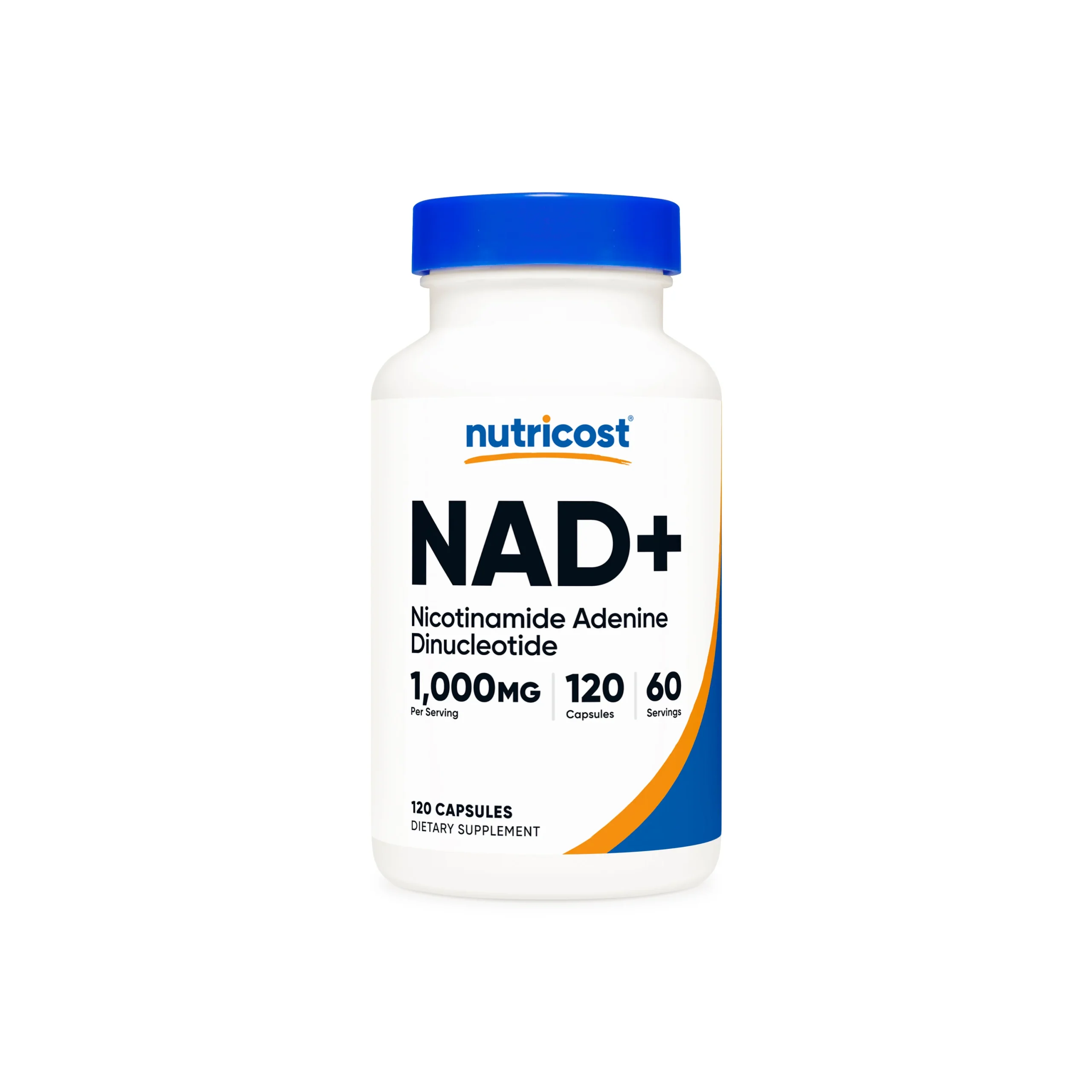
What Is NAD+?
NAD+, short for nicotinamide adenine dinucleotide, is a molecule found in virtually every living cell. It plays an essential role in cellular metabolism, helping cells convert nutrients into usable energy and supporting several biological processes.
NAD+ works closely with its reduced form, NADH, as part of the reactions that transfer electrons during energy production. It is also involved in processes related to DNA repair, cellular signaling, and the activity of NAD+-dependent enzymes.
Because of its fundamental role in cellular function, NAD+ has become an important subject of research into metabolism, healthy aging, and age-related conditions.
Why Is NAD+ Important?
Your cells constantly need energy to perform their functions. NAD+ helps facilitate the metabolic reactions that allow cells to extract energy from carbohydrates, fats, and other nutrients.
Beyond energy metabolism, NAD+ serves as a substrate or cofactor for enzymes involved in several cellular processes, including DNA repair and cellular stress responses.
Maintaining NAD+ metabolism is therefore important for normal cellular function.
NAD+ and Aging
One reason NAD+ has attracted attention is its possible relationship with aging.
Research in animals has suggested that changes in NAD+ metabolism may contribute to age-related cellular dysfunction. This has led scientists to investigate whether increasing NAD+ availability could support healthier aging.
However, the human evidence is more complicated. A 2025 review concluded that evidence for an age-related decline in NAD+ in humans has been inconsistent, while clinical trials of NAD+ precursors have generally produced more modest results than preclinical studies.
More recently, a 2026 study examining seven human cohorts reported that whole-blood NAD+ levels remained relatively stable with age and did not consistently change with lifestyle interventions. The findings challenge the idea that blood NAD+ levels can simply be used as a universal biomarker of aging.
This distinction is important: promising laboratory research does not automatically mean that NAD+ treatments provide proven anti-aging benefits in humans.
Potential NAD+ Benefits
NAD+ is being investigated for its potential role in several areas of human health. Some of the most commonly discussed potential benefits include:
Reviews
There are no reviews yet.